Starting Crochet
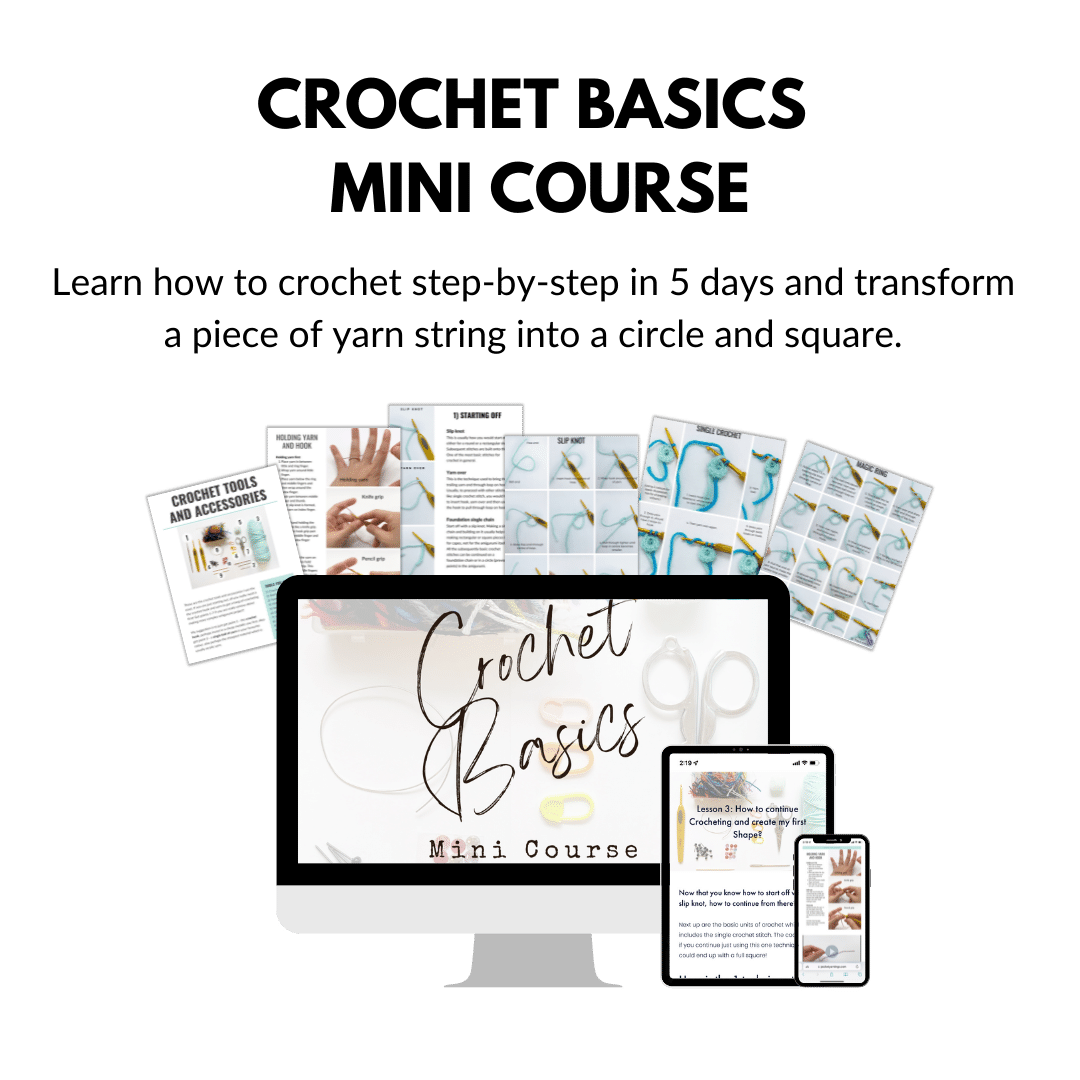
Learn how to crochet step-by-step in 5 days with this free mini course!
Crochet Supplies
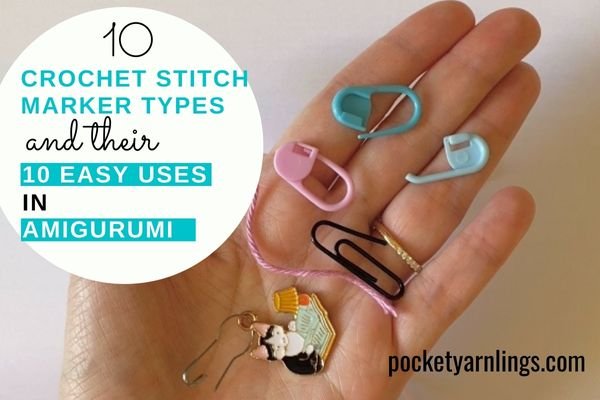
If you are struggling with counting your stitches when you are crocheting, then this guide will help you! Just to start off, let us review some basic foundational skills like how to count stitches when crocheting. Then we will move onto how using crochet stitch markers can help you keep count of your crochet project, and in particular for amigurumi!
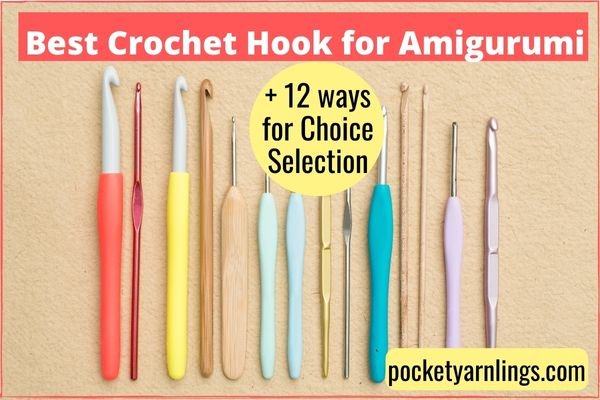
The only other thing you need apart from the yarn to actually get started on your amigurumi project! If all else is not available, you could really get by with just your hook and yarn. So because this is so important, remember to select one that you really like and if the quality is good, it can last you a lifetime!
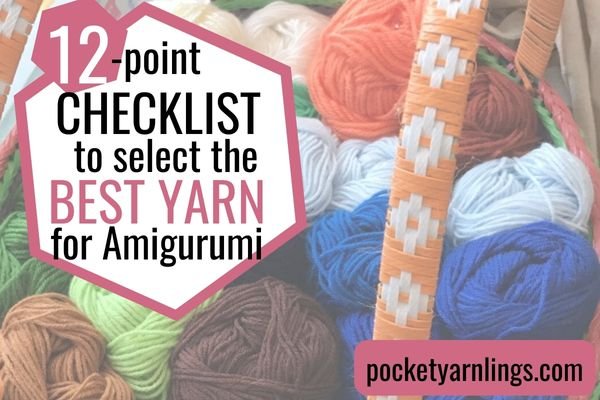
Before deciding on the best yarn for your next amigurumi, there are a couple of considerations to think about before you go hunting for the best buys. If you are a crocheter, you could be in any part of the world with any number of different types of yarn. Universally though, it would be really useful to think through this 12-point checklist of what you want to achieve at the end of your project, irregardless of your yarn sources!
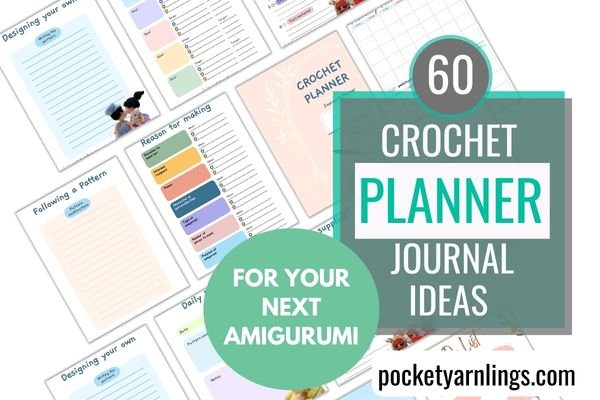
Have you always wanted to organize your thoughts about your crochet projects? Being a creative person can sometimes mean your head is a mess of ideas, epiphanies, colours and inspiration! This is also possibly another reason why you are constantly stuck in between WIPs (or works-in-progress), because you are unable to gather your thoughts together.
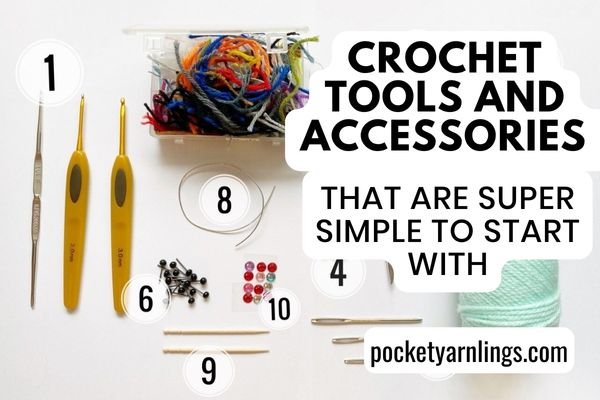
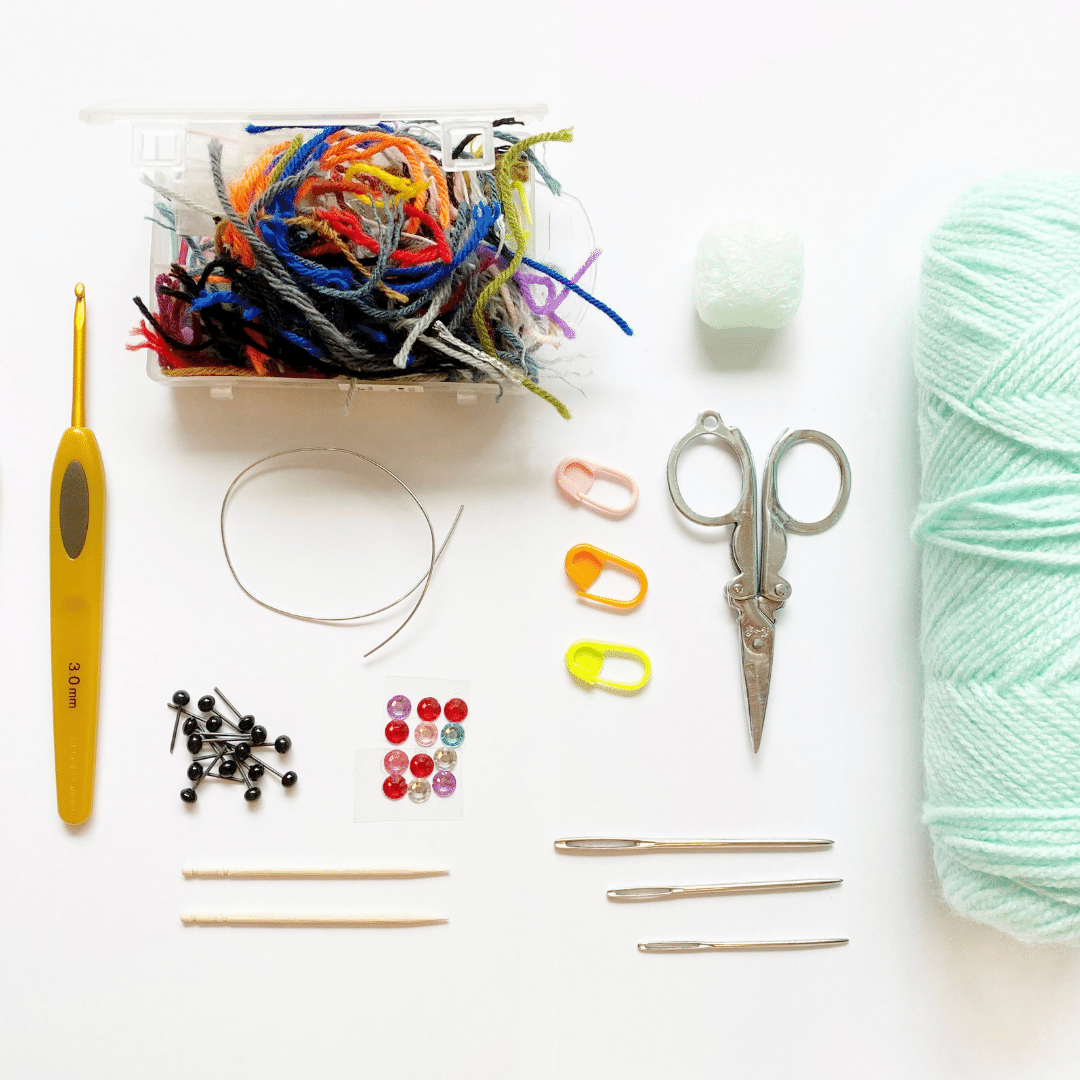
If you have been wondering what tools do you need for crocheting or what do you need for beginner crochet, then I have some suggestions here for you. In particular, if you also would like to know what supplies you need for amigurumi, then this list would be useful for you.
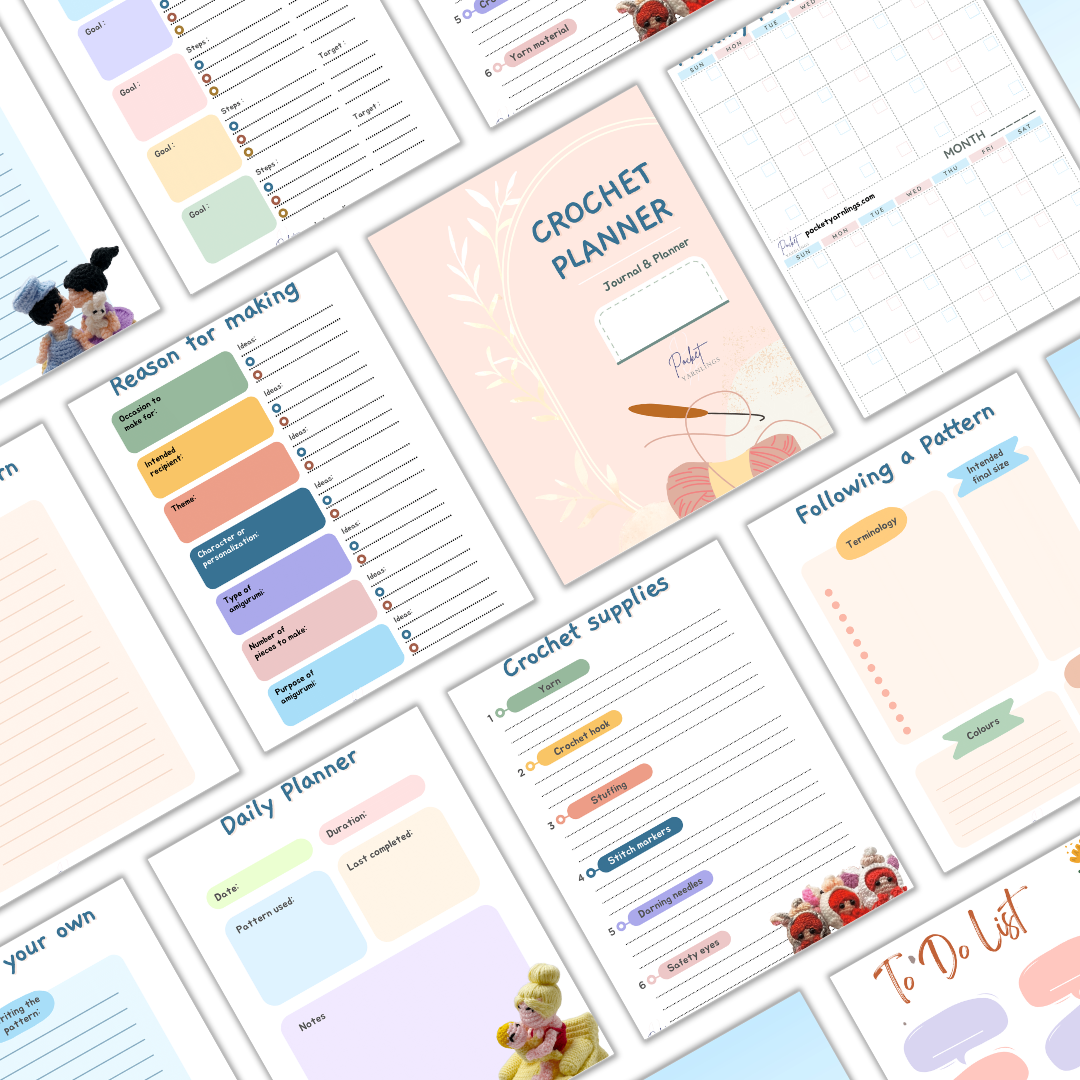
Free Crochet Planner Journal!
Click here to grab this 20-paged workbook and checklists that will help organize your creativity before you even start on your next crochet project! Or click on image on the right.
Basic Crochet Stitches
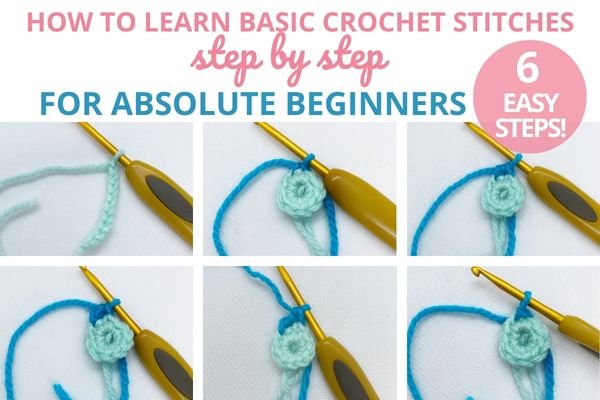
If you have taken the leap to get your first crochet hook and ball of yarn and you are excited to get started on crocheting then you are in the right place. Just in case you need ideas for crochet hooks or yarn, remember to check out these 2 articles:
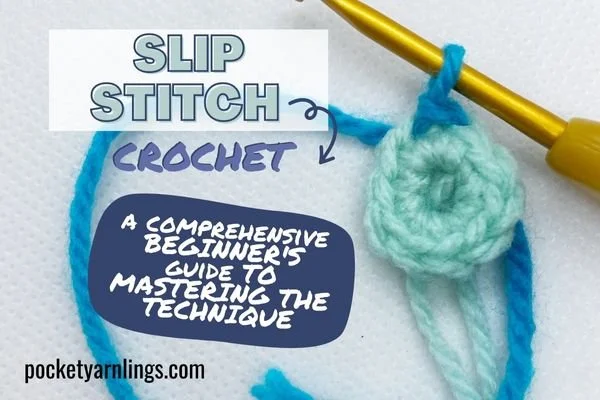
Slip stitch crochet is a popular technique used by many crocheters to create a variety of projects. This technique involves inserting the hook into a stitch, wrapping the yarn around the hook, and pulling the yarn through both the stitch and the loop on the hook. Slip stitch crochet is often used for joining pieces together, creating a decorative edge, or adding texture to a project.
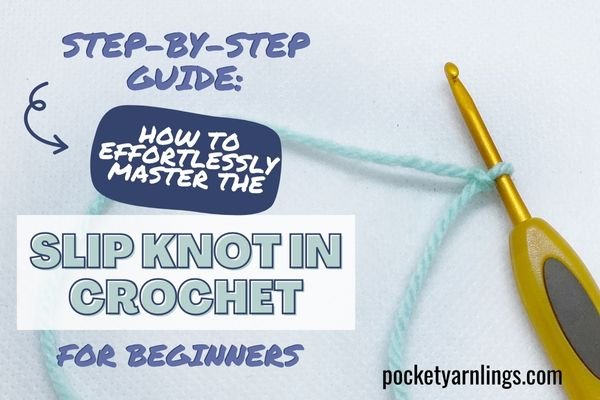
Are you new to crochet and wondering how to get started? One important technique to learn is the slip knot. This simple knot is the foundation for many crochet projects, and once you master it, you'll be able to create a wide range of items, from scarves and hats to blankets and more.
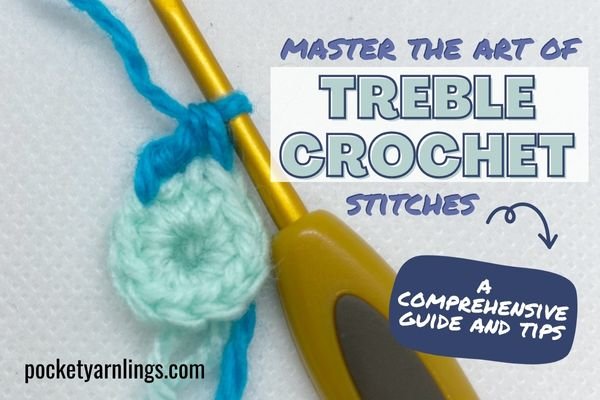
The treble crochet stitch, also known as the triple crochet stitch, is a powerful and versatile stitch in the world of crochet. With its extra height and elongated loops, the treble crochet stitch allows you to create fabric with an open and airy texture.
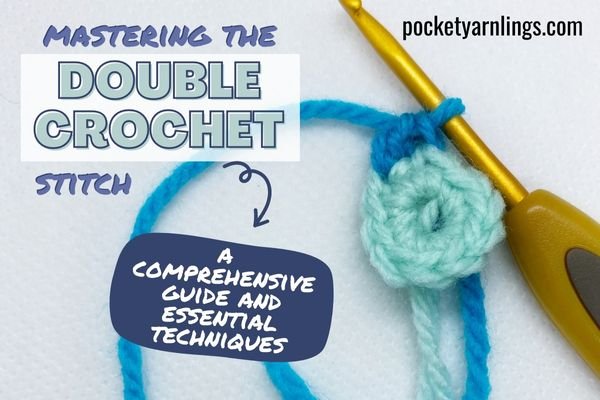
The double crochet stitch is a widely used stitch in crochet that offers versatility and the ability to create fabric with varying heights and textures. It is a must-know technique to pick up right after mastering the most basic single crochet.
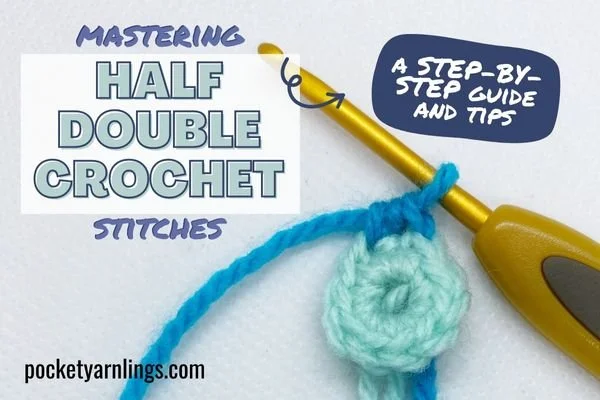
The half double crochet stitch is a fundamental stitch in crochet that falls between the height of a single crochet and a double crochet. It offers versatility and texture to your crochet projects. I will be talking about making the basic half double crochet unit and changes to it – like increases, decreases and how it can be used in special crochet stitches.
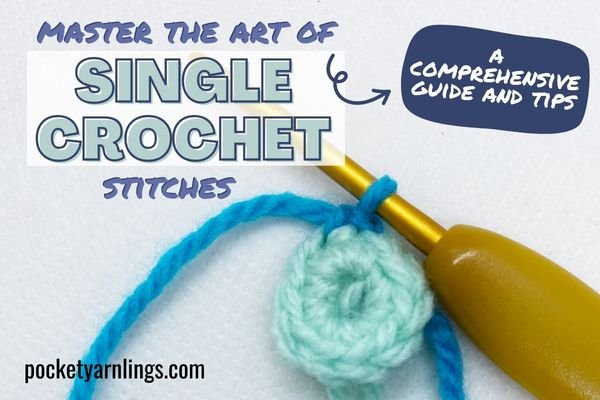
The single crochet stitch is one of the basic stitches or units in crochet and even though it is fairly simple to make, I have managed to come up with so many different variations of this basic stitch that are worth talking about.
Beginners Step-by-step Guide
Grab these 45-pages of cheat sheets that will help you with crochet stitches, magic rings, increases and decreases, FLO and BLO.
Basic Crochet Techniques
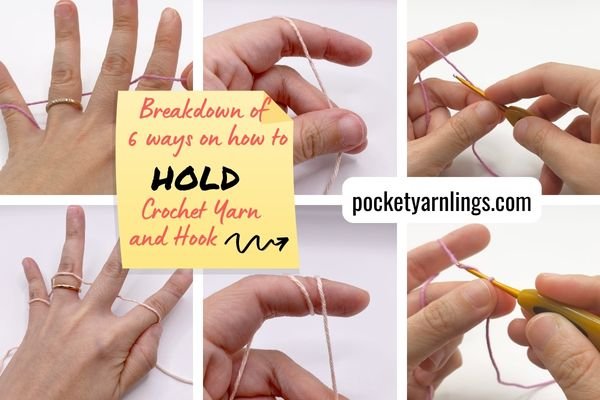
If you have just bought your first ball of yarn and first crochet hook, then this is the right blog post for you on your next few steps. Before you can start crocheting, it is very important to figure out how to hold your yarn and crochet hook! If you do not get this part right, it could mess up your tension in your project, make it turn out ugly and cause you to have painful wrists! Before you know it, you may give up crocheting before you gave it a chance!
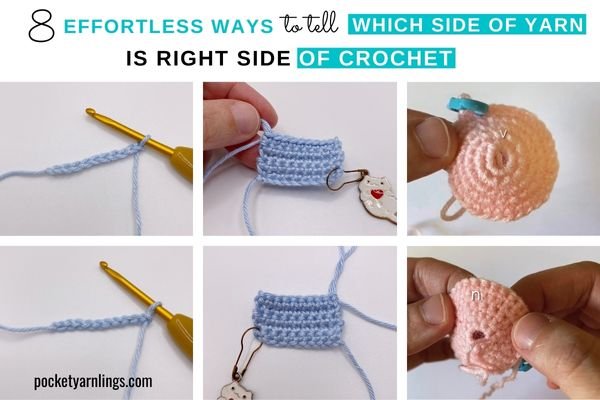
If you have always wondered which side of the crochet project is the right side or the wrong side, then hopefully you get the answers here! There is a combination of various ways to do this, some by just visually looking at your project and some by the techniques you actuallly use when crocheting. By the end of this post, you should know your right from your wrong very easily!
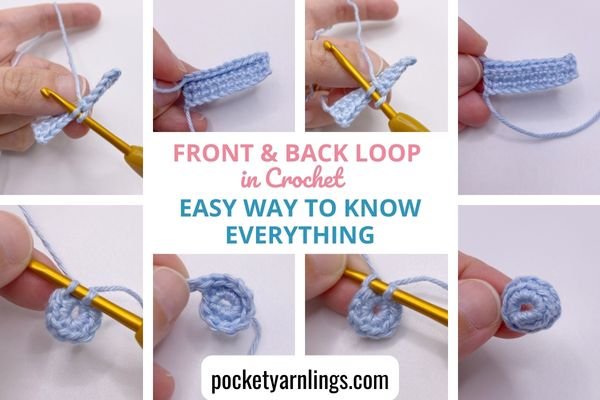
Even wondered about the front loop only and back loop crochet stitches? Or maybe you never even know that you have been working into both loops? If you are wondering what's the difference and what's the point then you are in the right place.

Decreasing crochet stitches can be quite confusing for new crocheters. Increasing crochet stitches just involves doing multiple stitches in the same stitch. On the other hand, decreases can include a simple decrease, an invisible decrease or even a cluster of stitches. I will go through each of them individually below.
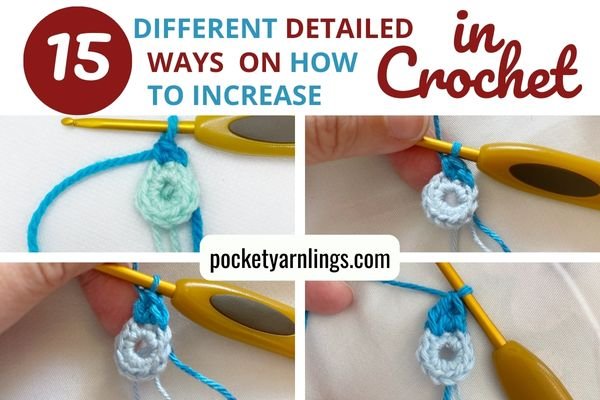
Increases in crochet stitches create a wider appearance while decreases in crochet stiches create a narrower appearance. This is important for shaping in general, especially for amigurumi projects, when creating 3D shapes and structures. By combining changes in width and changes in stitch heights, you could create many different variations in amigurumi shapes.
Do you love crocheting cute little stuffed toys or amigurumi? These adorable creations are often filled with stuffing to give them their shape and texture. But what kind of stuffing is best for amigurumi and also have you wondered how to stuff amigurumi?