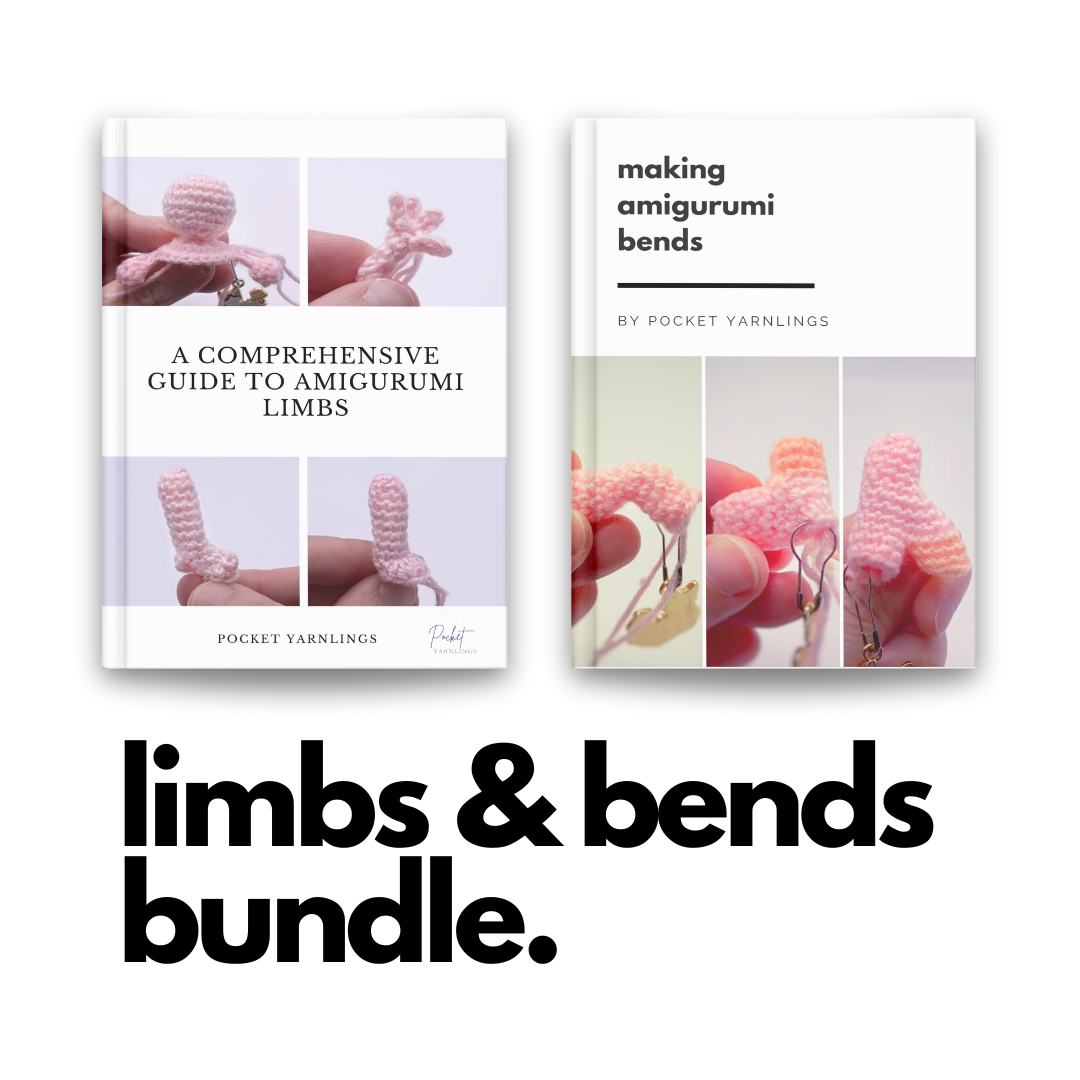

How to Crochet a Clean Angle in Amigurumi (Using Surface Crochet and Chains)
Create a clean, structured 90° bend in amigurumi using chains and surface crochet—no sewing or wires needed.
Table of Contents Show
Where This Fits in Amigurumi Bends
There are a few different types of bends you can create in amigurumi:
Gentle curves (smooth, gradual shaping)
Right angle bends (90° turns)
Sharp bends (steeper, more dramatic angles)
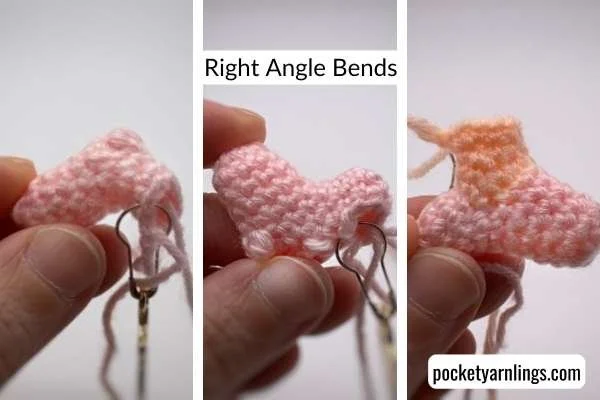
👉 In this tutorial, we’re focusing on right angle bends, where the shape changes direction more clearly.
There are a few different ways to create right angle bends:
Short rows → builds the angle gradually
Chain and cluster stitches → creates a sharper angle through contrast
Equal chain and surface crochet → what we are discussing here
👉 This technique creates an angle by forming an opening and then rebuilding the structure using surface crochet.
How Chains and Surface Crochet Create a Clean Angle
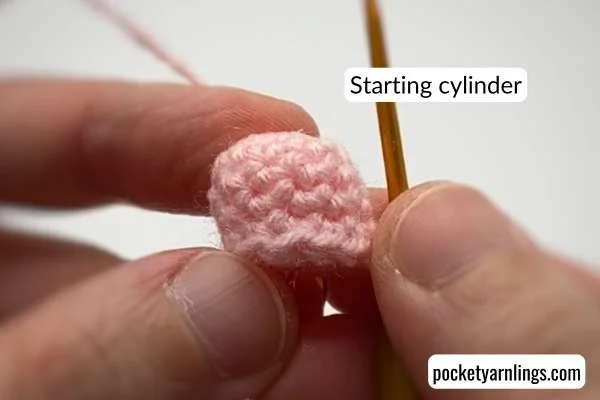
Start with a Base Cylinder
Begin with a simple crochet cylinder:
Round 1: Magic ring sc 10 – 10 sts
Round 2: Sc 10 – 10 sts
Rounds 3–5: Repeat Round 2 – 10 sts
Work a simple tube
Keep stitch count even
👉 This forms your neutral base before shaping begins.
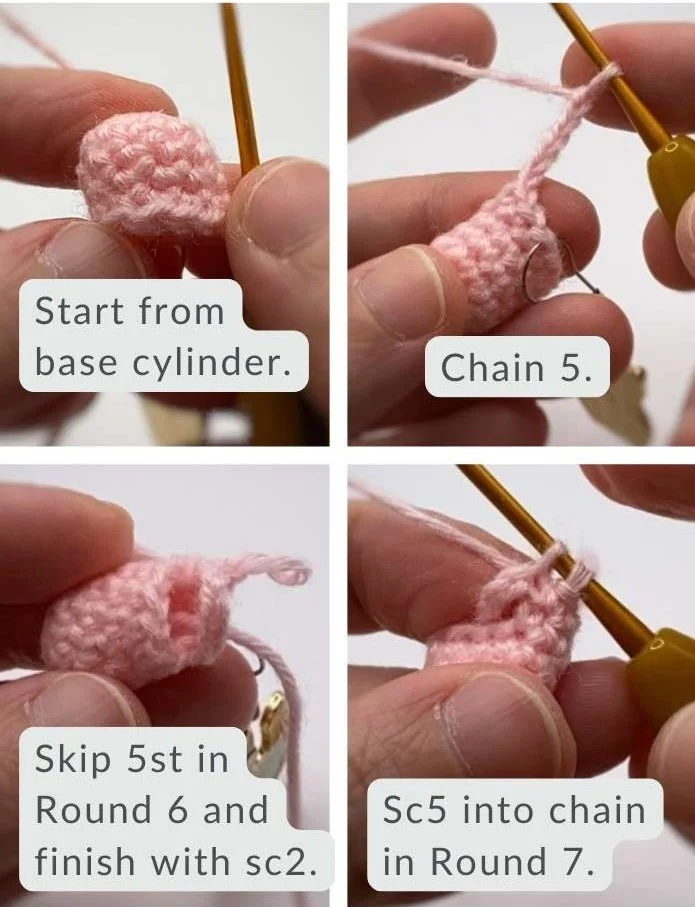
Create an Opening with Chains and Skipped Stitches
Chain stitches extend outward
Skipping stitches creates a gap
This forms the “hinge” point for the bend
👉 This opening is what allows the structure to change direction.
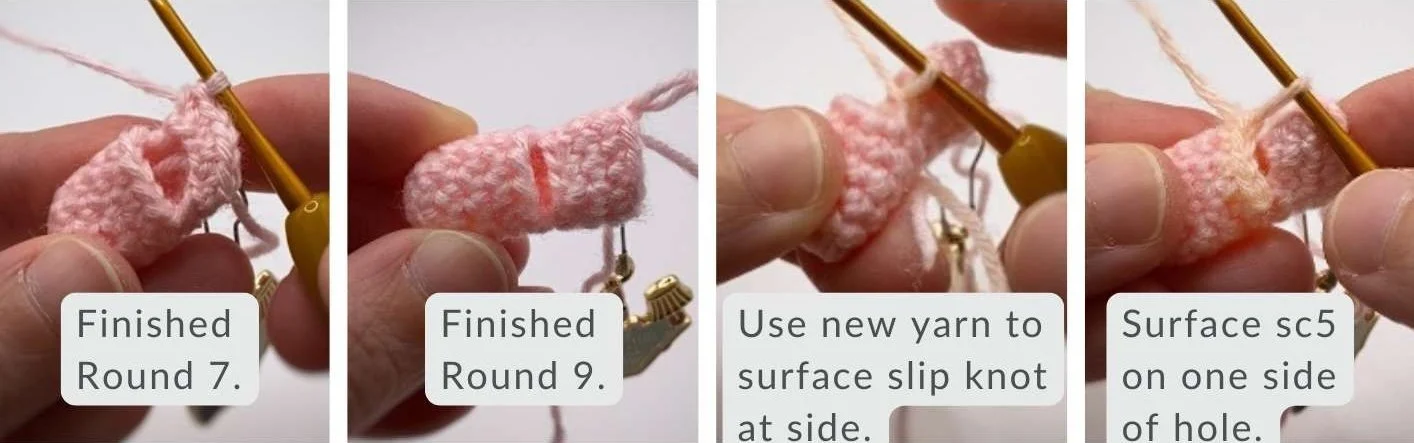
Rebuild the Structure with Surface Crochet
Attach new yarn at the edge of the opening
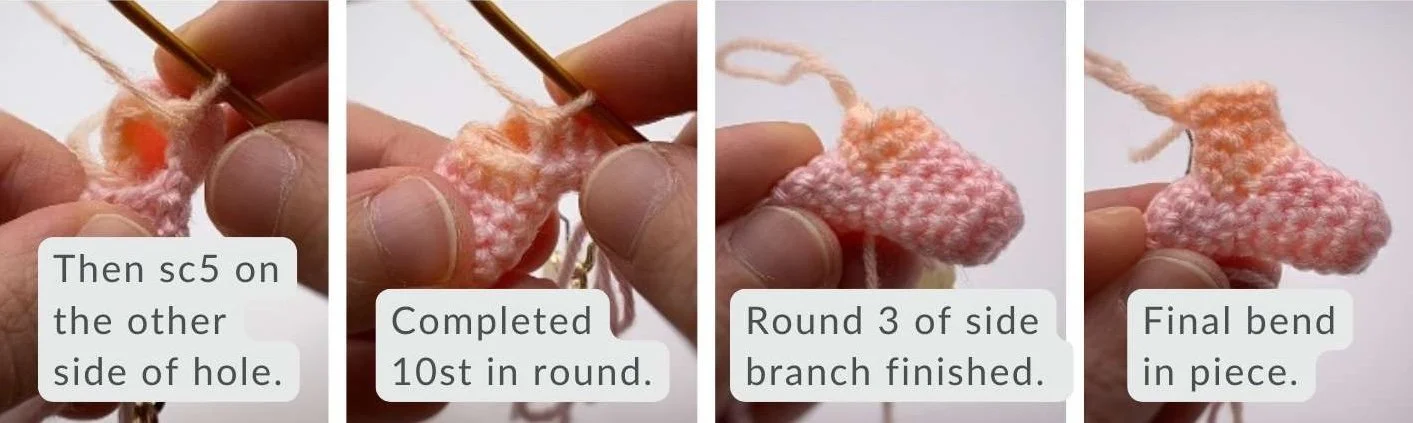
Work surface single crochet around the gap
This pulls both sides together and stabilises the bend
👉 Unlike other methods, this technique shapes the angle by restructuring the piece, not just adjusting stitch count or height.
What the Finished Angle Should Look Like
A clean, defined 90° angle
More structured than the chain + cluster method
Holds its shape firmly
Can resemble a branching structure
👉 The result is a polished, controlled bend that stays in place.
Basic Pattern for a Surface Crochet Angle
Here’s a simple example:
Pattern Snippet
Round 6: Sc 3, ch 5 and skip 5 sts, sc 2 – 5 sts
Round 7: Sc 3, sc 5 into chain, sc 2 – 10 sts
Rounds 8–9: Sc 10 – 10 sts
Using new yarn, attach at the side of the opening:
Round 1: Surface sc into top 5 sts and bottom 5 sts – 10 sts
Rounds 2–3: Sc 10 – 10 sts
👉 Quick guide:
Chain = creates opening
Surface crochet = reinforces structure
Watch How the Angle Forms Step-by-Step
If you prefer to see how the stitches come together, you can follow along in this video below. Notice how the opening is first created, then pulled together with surface crochet to form a clean, structured angle.
How to Control the Shape and Direction
Why This Method Creates a Clean Finish
Surface crochet locks the structure
Prevents stretching or collapse
Gives a polished, finished look
Can even replace sewing in some designs
👉 This is what makes the bend feel stable and intentional.
How to Adjust the Angle
You can control the angle by adjusting:
Chain length
Number of skipped stitches
Placement of the opening
👉 These determine both the angle and direction of the bend.
💡 More advanced variations (like uneven chains and skips) will be explored in the next post, where we create steeper bends.
How to Use This Technique in Amigurumi Designs
This method works best when you want a controlled, consistent angle that holds its shape.
You can use it for:
Limbs extending from the body
Branching shapes
Neck or joint transitions
Structured poses
It’s ideal when the bend needs to look clean and intentional.
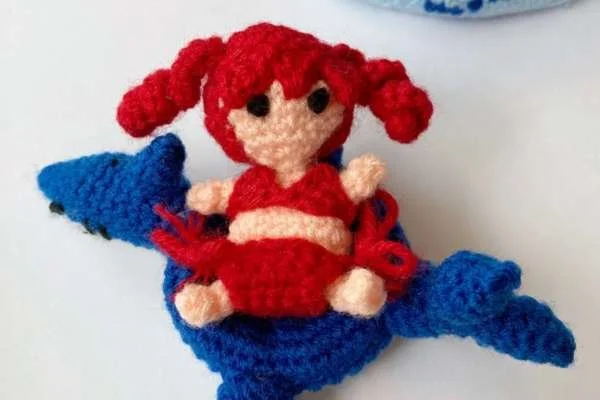
👉 For example, in my girl-in-a-bikini design, the arms are crocheted to extend out from the body at a right angle using this equal chain and surface crochet method, creating a clean and stable arm position without sewing.
Other Ways to Create Angles in Amigurumi
There are a few different ways to create right angle bends in amigurumi:
Short rows → gradual, adjustable angles
Chain + cluster → sharper, more organic bends
Surface crochet → structured, controlled angles
This method is the most structured and consistent option when you want the bend to hold its shape.
👉 If you’d like a bigger picture of how all the bend techniques fit together, you can find them in the Ultimate Guide on How to Crochet Bends in Amigurumi (9 Ways to Shape and Control Curves).
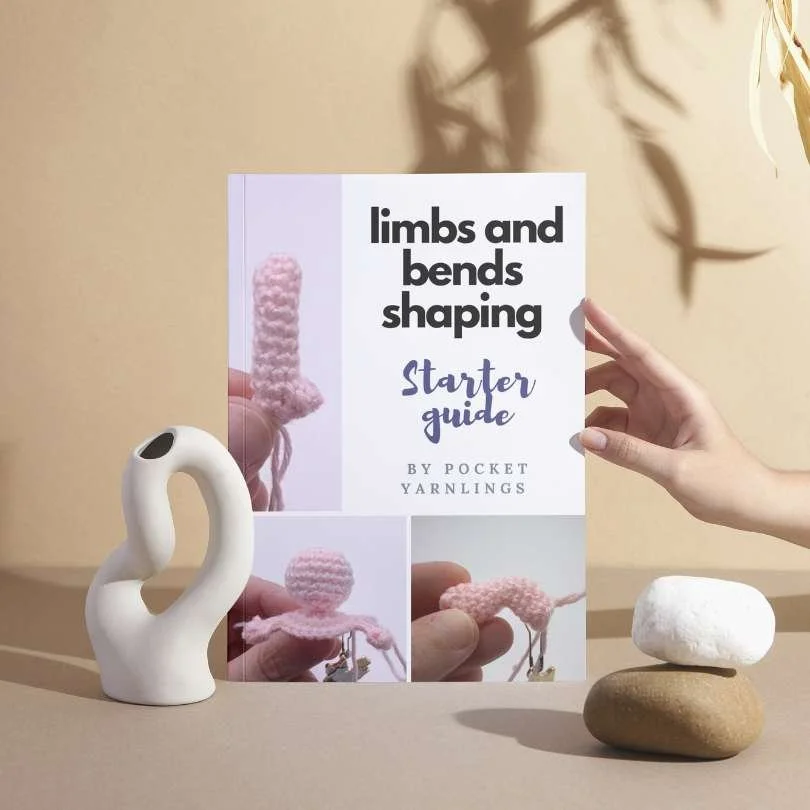
Try Your First Amigurumi Bends
Put what you’ve learned into practice with easy arm, leg, and bend patterns. Grab it free over here.
Want to Explore More Types of Bends?
This surface crochet method is just one way to create right angle bends.
There are also:
gentle curves
stronger curves
structured curves
angled bends
steeper and split bends
👉 Each technique gives you a different level of control depending on the effect you want.